
Tulips do most of their growing in a few short weeks. The bulbs have spent winter quietly making roots, and now the leaves push up, the buds swell, and the plants ask for water, food and a little protection. Get these weeks right and you get sturdier stems, bigger flowers and a bulb with a real chance of flowering again next spring. Get them wrong and you get floppy growth, chewed leaves and a border that fizzles out by May.
Spring care is not difficult. It is mostly about timing, and knowing what to leave alone.
Watering tulips in spring
Tulips evolved in places with wet springs and dry summers, so they want moisture while they are growing and a baking once the foliage has gone. In spring, the aim is soil that is evenly moist but never waterlogged. Soggy bulbs rot.
Check before you water rather than working to a schedule. Push a finger down about 5cm (2in) beside the stem. If it feels dry at that depth, water. If it feels damp, walk away. In a normal British spring, rain does the job for border tulips and you may not need to water at all until the buds begin to colour.
Pots and containers
Containers are a different story. Compost in a pot dries out far faster than border soil, especially against a warm wall or in a windy spot. Once shoots appear, check pots every couple of days and water thoroughly until it runs from the drainage holes, then let them drain. Small daily splashes only wet the surface and encourage shallow roots.
Two habits matter as much as quantity. Water in the morning where you can, so foliage dries before evening and you are not leaving damp leaves overnight. And water the soil, not the flowers. A gentle rose on the can is ideal; a hose aimed over the blooms is not.
Keep watering for two or three weeks after the petals fall, while the leaves are still green. Then stop, and let the bulbs have the dry rest they expect.
Feeding growing tulips
A fresh tulip bulb arrives packed with enough energy to flower once without any help. It is the second year that separates gardeners who feed from those who do not, because flowering drains the bulb. If you want your tulips to come back well, you have to put something back.
Two feeds are usually enough:
- At emergence, when leaves are a few inches tall: a balanced granular fertiliser or a handful of bone meal forked lightly into the soil around the bulbs.
- After flowering, once the petals have dropped: a feed higher in potassium, such as a tomato or rose fertiliser, to support the bulb as it swells.
Go easy on nitrogen in spring. It produces soft, sappy growth that slugs adore and fungal disease finds easy to invade. For tulips in pots, a liquid tomato feed every fortnight from flowering until the leaves fade is simpler to control than granules.
Stop feeding once the foliage has turned yellow. At that point the roots are shutting down and unused fertiliser simply leaches away.
Slugs and snails: the first threat
Emerging tulip shoots are soft, tender and easy to reach, and a single night of feeding can flatten a whole row. Look for ragged holes in leaves or shoots snipped off cleanly at soil level.
Few things work perfectly, but a combination usually does:
- Go out after dark with a torch and pick them off by hand. It is unpleasant and extremely effective.
- Keep the surrounding soil clear of damp hiding places such as old leaves, planks and piles of debris.
- Wrap copper tape around pots and troughs, and keep the tape clean so it stays effective.
- Encourage frogs, hedgehogs and ground beetles, which all eat slugs.
- If you use pellets, choose one approved for garden use, apply it sparingly and follow the label exactly.
Aphids, rabbits and other spring visitors
Aphids cluster on buds and soft new tips in late spring. They are worth dealing with quickly, because heavy infestations spread viruses between tulips and leave behind sticky honeydew that turns into sooty mould. Squash small colonies by hand, or wash them off with a firm jet of water in the morning. Ants often farm aphids, so if you see ants climbing the stems, check the buds above them.
Rabbits and deer browse tulip foliage and buds, particularly in gardens near open countryside. Physical barriers remain the only reliable answer; a short ring of netting around a container works surprisingly well. In pots, keep an eye out for vine weevil, which notches the leaf edges and whose larvae eat the roots below the surface.
Spotting tulip fire and other problems
Tulip fire is the disease most likely to spoil a spring display. In damp weather it shows as brown, sunken spots on the leaves, twisted or stunted shoots and a grey fuzzy mould on damaged tissue. Flowers may open with brown blotches.
There is no spray worth relying on. Dig out affected plants, including the bulb, and put them in the bin rather than the compost heap. Do not plant tulips in that spot for at least three years, and water at soil level to keep the foliage dry. Good air circulation between plants helps more than most gardeners expect, so thin crowded containers if growth looks dense.
Deadheading and looking after the foliage
Remove the flower head as soon as the petals drop, pinching it off just below the flower. This stops the plant putting energy into seed and sends it back to the bulb instead. Leave the stem and every green leaf in place.
Resist the urge to tidy up early. The leaves need roughly six weeks after flowering to photosynthesise and store food, and they will tell you when they have finished by turning yellow and collapsing. Cutting them down while still green costs you next year's flowers. Tying them in knots, plaiting them or folding them over does the same damage, so if the fading foliage bothers you, grow tulips behind later-flushing perennials that will hide the decline.
If you treat tulips as annuals and lift them for the compost heap once flowering ends, none of the feeding and foliage advice matters. Plenty of gardeners do exactly that. It is a fair choice, just not the cheapest one.
Spring care at a glance
Water deeply when the top 5cm of soil is dry, in the morning, at soil level. Feed once as shoots appear and once after flowering, avoiding nitrogen. Watch for slugs from the first green shoot and for aphids on the buds. Remove any plant showing signs of tulip fire straight away. Deadhead promptly, keep the leaves, and let the bulbs bake dry once the foliage has browned.
Do those few things and your tulips will finish the season in good condition, ready to earn their place in the border again next spring.
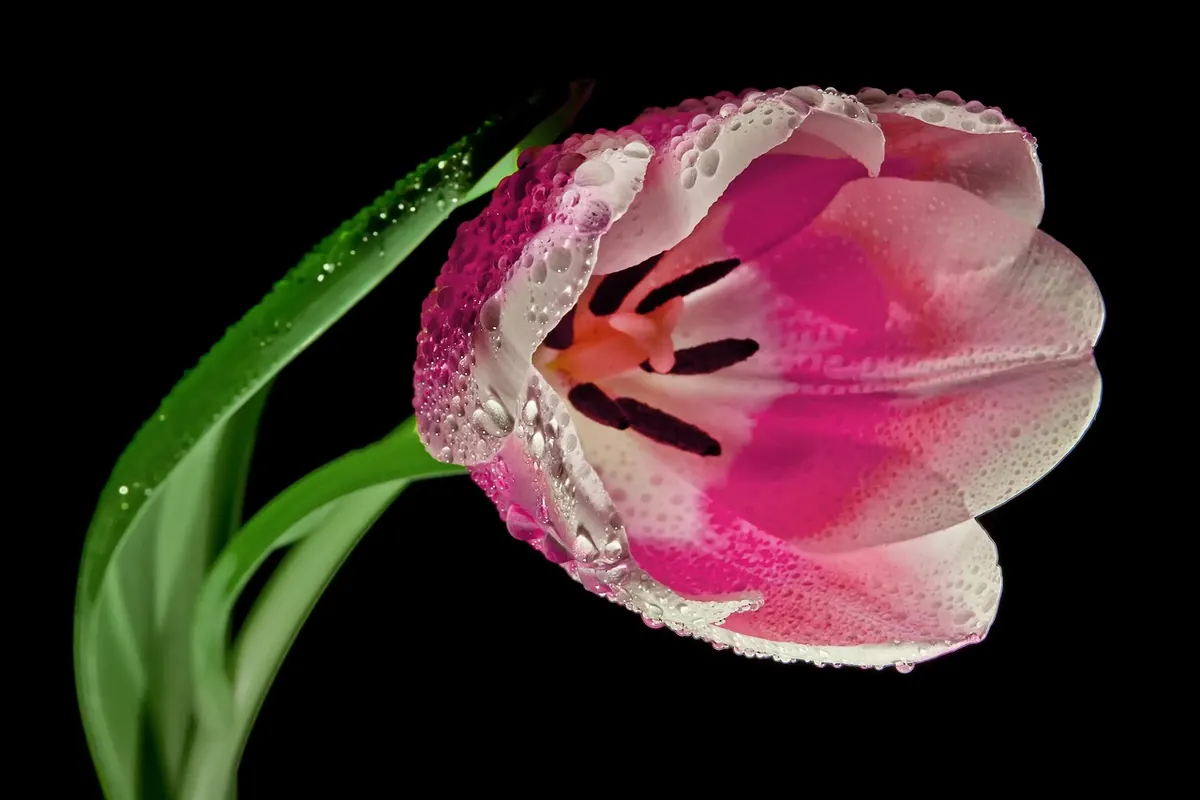
Photo: Foto-Rabe / Pixabay